
According to CyberConnect2 CEO, Hiroshi Matsuyama, if you’re a developer or publisher producing video game software in Japan, you need to move at least 100,000 copies domestically if you want to stay in the black.
The news comes from a panel that Matsuyama held as part of the virtual Otakuthon event that usually takes place in Quebec, Canada each year. However, due to COVID-19, the event was moved into a virtual space.
Otaku-extraordinaire, Lunar Archivist, snapped some screen-caps of the Matsuyama’s video game panel, where he outlined some very fascinating stats about sales, marketing, investments, and growth sectors within the industry.
In a thread published on August 15th, 2020, Lunar Archivist highlighted some of the noteworthy segments from the panel, such as the fact that Japanese publishers are releasing fewer and fewer games each year, with their peak being 983 releases in 2007, but down to just 411 in 2019. That’s a near 58% drop over the course of 12 years.
VIDEO GAME INDUSTRY – PART 1: In Japan, the number of new video game titles released per year has dropped from its peak of 983 in 2007 to 411 in 2019. This is due to the expansion of the mobile market and the shrinking of the console market and people having less time to game. pic.twitter.com/IGTPbWIQss
— Lunar Archivist (@LunarArchivist) August 15, 2020
Additional stats showed that hardcore gamers purchase games at a rate of nearly 2.5 times as much as casual gamers every year on end. Also, Nintendo basically dominates the Japanese sales charts when it comes to console software, filling up eight of the ten slots when it comes to published titles, and nine of the ten slots when it comes to platform releases.
In essence, Japanese really love Nintendo’s titles or software made for Nintendo devices.
VIDEO GAME INDUSTRY – PART 2: In Japan, hardcore gamers purchase an average of 8.8 new video games per year while casual gamers buy less than half that amount (3.6 new video games). pic.twitter.com/a4ROWXCdfQ
— Lunar Archivist (@LunarArchivist) August 15, 2020
VIDEO GAME INDUSTRY – PART 4: Speaking of “Pokémon Sword and Shield” and “Super Smash Bros. Ultimate”, the observant will note that that 9 of the 10 top-selling video games in Japan in 2019 were Nintendo Switch games. I’m guessing that makes a lot of Nintendo’s investors happy.😁 pic.twitter.com/XHhZyfXjwk
— Lunar Archivist (@LunarArchivist) August 15, 2020
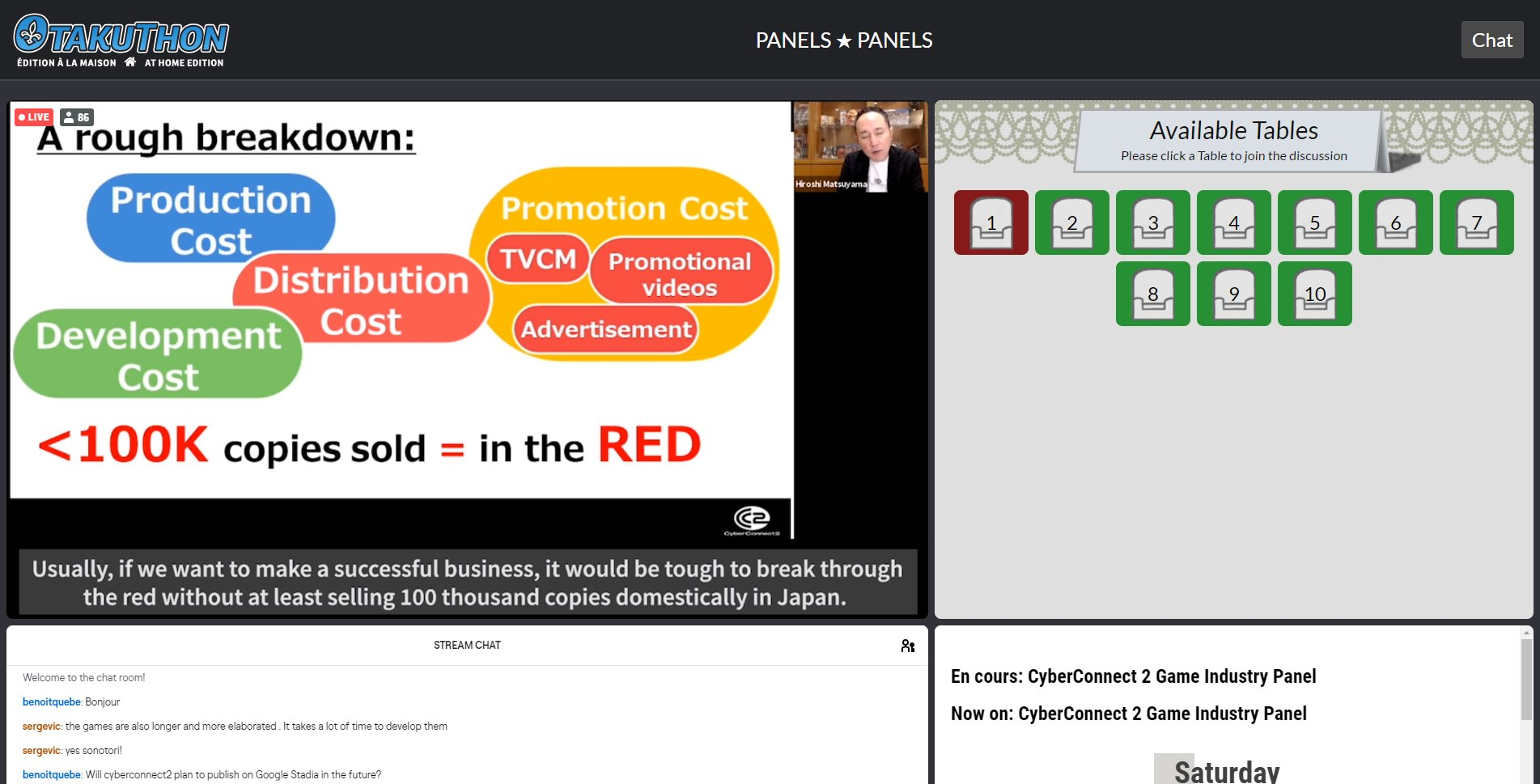
This then leads into the nitty gritty of the sales data and the headline of this piece: If you want to make it in Japan as a publisher, you have to move at least 100,000 units domestically.
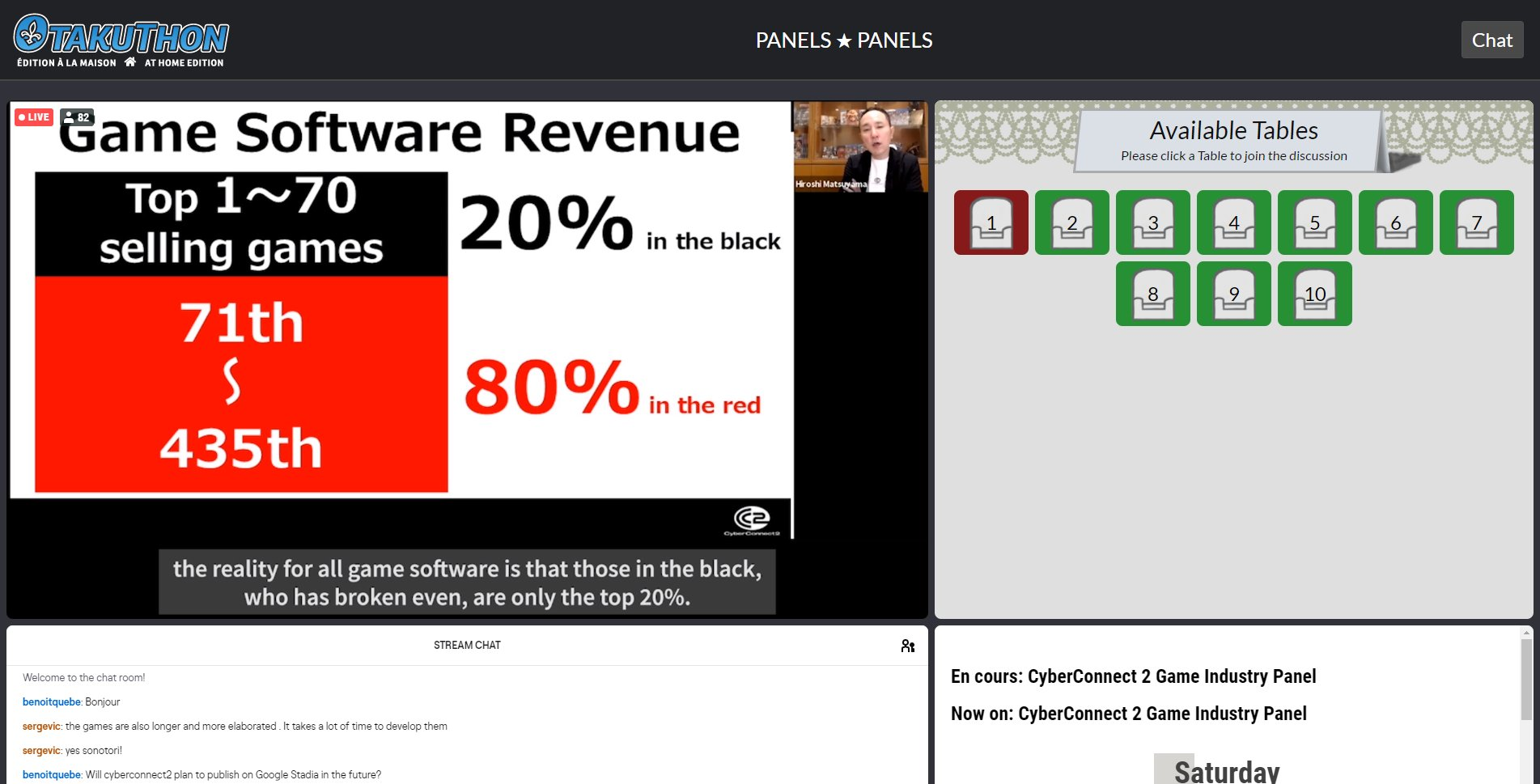
That may not seem like much given that we report on indie and AA games selling 100,000, 200,000 or 500,000 copies in a matter of weeks, such as Frostpunk or Atelier Ryza, but ultimately those are rare. In fact, in Japan those kind of titles – 100k plus releases – only make up 20% of the total software released in Japan.
VIDEO GAME INDUSTRY – PART 6: A rule of thumb is that you have to sell more than 100000 copies of a video game in Japan to be in the black. An even more sobering statistic is that only 20% of video games manage to do this and 80% of them actually end up losing money. ☹️ pic.twitter.com/iRHDeStNI7
— Lunar Archivist (@LunarArchivist) August 15, 2020
If you’re unable to view the images, there are links below so you can see what the costs are and what the returns need to be in order to stay out of the red.
The next bits are all common sense… well, common sense to anyone who knows a thing or two about making a dime or two.
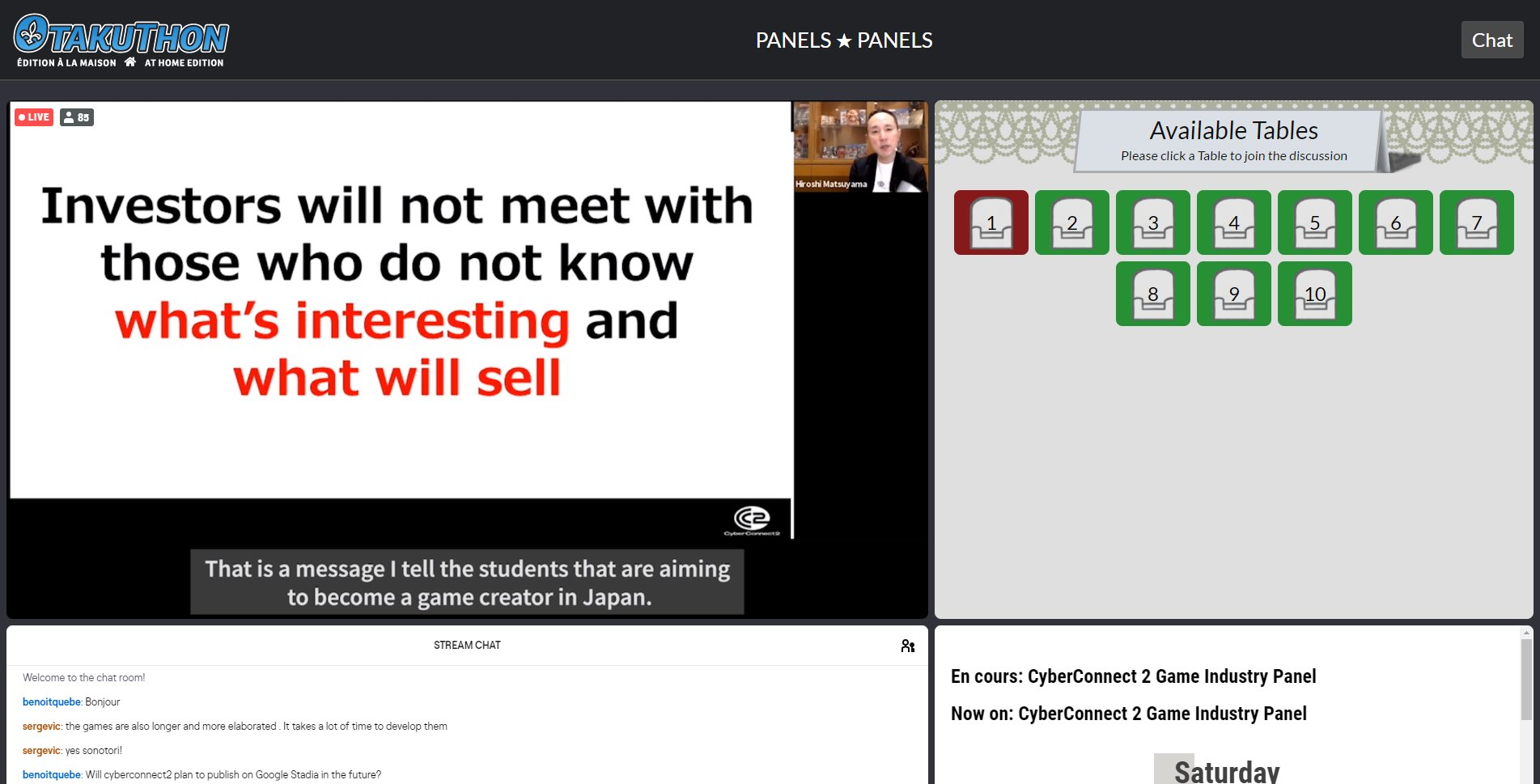
You need to know your audience and sell to your audience. In Japan, investors expect you to be able to turn a profit by making a product that people will actually want to buy… opposite of the ideologically driven investors and publishers who dominate the Western market, where spiting fans and making products where the development cycle doesn’t include the word “fun” are top priorities.
VIDEO GAME INDUSTRY – PART 8: Given that you only have a 20% chance of turning a profit, Matsuyama-san stresses the importance of doing your best to creating the next mega-hit, knowing what makes your customers happy, and how investors don’t like people who’re oblivious to this. pic.twitter.com/ZEpa5wK8Jj
— Lunar Archivist (@LunarArchivist) August 15, 2020
Let me highlight the one panel image above the others related to the investors, because it really bears repeating as to what works and what doesn’t.
See here’s the thing, if you’re trying to pitch some kind of subversive, trans-romance story about how evil cishet-heterosexual white males are, chances are your game will bomb. Not only that, but chances are that the only way you’ll see any kind of levity in sales is through disruptive promotion by ideologically-driven media outlets and Big Tech social media stepping in to bolster your product because it adheres to the Liberal Progressive agendas that they, too, foster.
However, once the bubble of faux-promotion bursts and Big Tech is no longer able to protect the image of your product, word-of-mouth will do the rest to absolutely destroy any chance of having a profitable long tail-end.
But how do you make the next big hit? Well, as Matsuyama pointed out… you first have to be a fan of the products you’re trying to sell.
VIDEO GAME INDUSTRY – PART 9: The first step to making a good video game is to do your research, which means spending a lot of time watching anime, reading manga, playing video games, and experiencing things. Turns out veteran creators are nerds/geeks/otaku. Shocking, I know. 😉 pic.twitter.com/Fhf7l8bmYv
— Lunar Archivist (@LunarArchivist) August 15, 2020
These aren’t hollow words coming from Matsuyama, though. He’s a legitimate geek and otaku.
As mentioned on the Otakuthon website…
“As one of the biggest fans of manga since a young age, Matsuyama faithfully reads more than 60 manga magazines a month.”
Being a geek and being in-tune with the culture and audience you’re trying to sell your games to play a huge part in managing to tap into the success of that market.
CyberConnect2 is proof of that, as they’ve managed to move millions of copies of licensed games over the years, such as Naruto Ultimate Ninja Storm 4 (among many others), which managed to shift 6 million copies over the course of four-and-a-years. That generally breaks down to 1.3 million copies per year.
VIDEO GAME INDUSTRY – PART 11: CyberConnect2 managed to sell around 6 million copies of “Naruto Ultmate Ninja Storm 4” worldwide over four and a half years, though only 150000 of those sales were in Japan, so the foreign market can most definitely influence profits in Japan. pic.twitter.com/MMiOBkon3I
— Lunar Archivist (@LunarArchivist) August 16, 2020
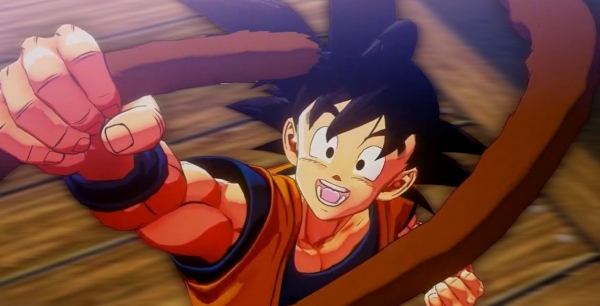
But it’s not just the Naruto titles that have sold well for CyberConnect2. Their most recent title, Dragon Ball Z: Kakarot managed to sell 2 million copies across the Xbox One, PS4, and Nintendo Switch, as reported by KitGuru.
It’s kind of odd that the game wasn’t made available for the Nintendo Switch, especially when you look at the sales data for the top selling games and top selling platforms in Japan, and they all include the Nintendo Switch.
And finally, what’s also quite interesting is that the console market has been shrinking in Japan over the course of nine years.
The industry was valued at $15.5 billion USD in 2018, majority of the sales being in large part to PC and mobile gaming, while only $400 million USD were comprised of console sales.
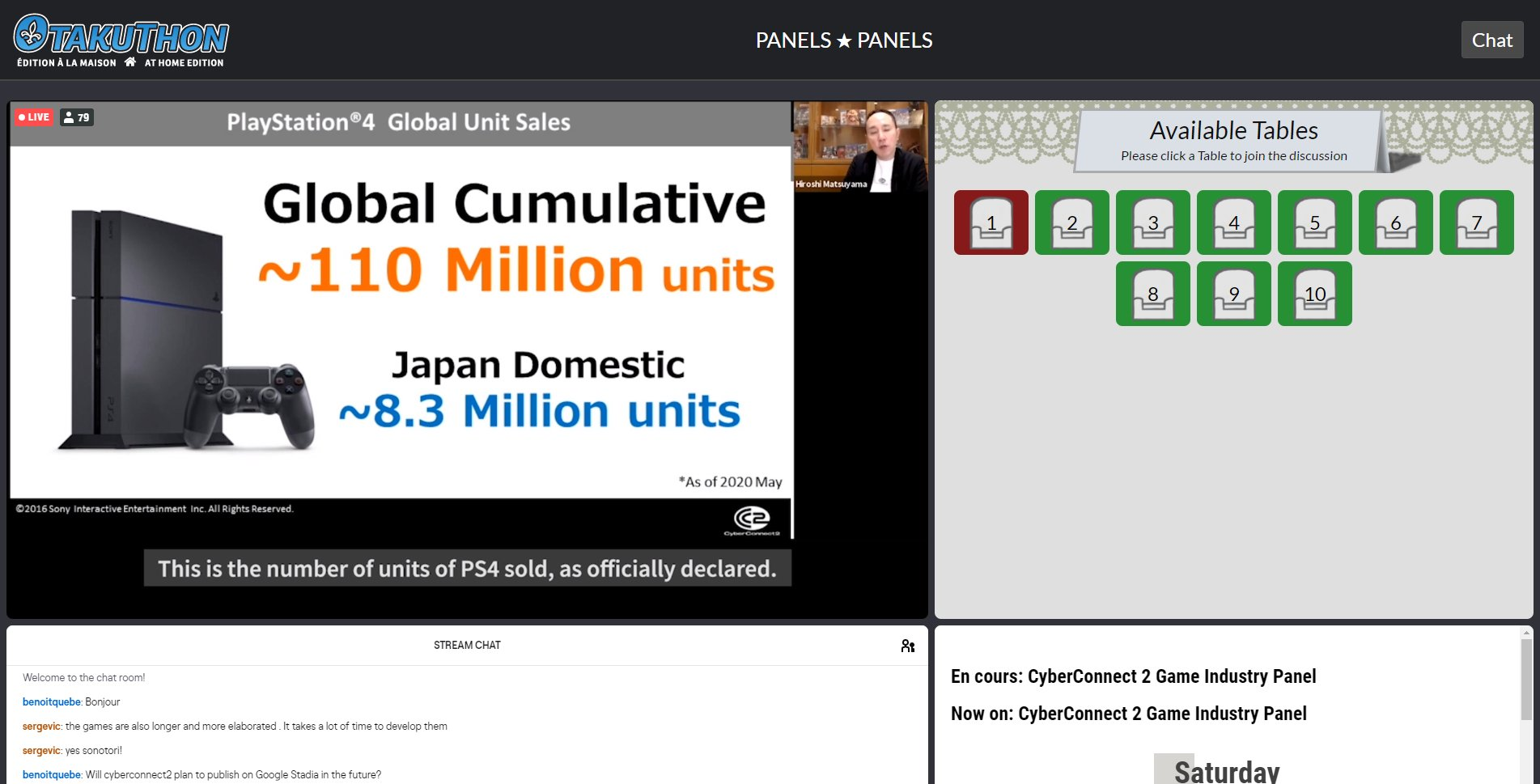
In fact, the PS4 has apparently only moved 8.3 million SKUs in Japan, despite having shipped 110 million units worldwide.
…between 2009 and 2018, the PC and mobile segments of the market increased in size by a factor of 6 during those 9 years while the console segment actually shrank by about a third. Also, of the 110 million PS4s sold worldwide, only 8.3 million of those sales were in Japan. 2/2 pic.twitter.com/s0ej3j1pF9
— Lunar Archivist (@LunarArchivist) August 16, 2020
In short, the PlayStation brand no longer represents Japan.
I think most people figured this out already, especially after Sony began aggressively enforcing their censorship policies on PS4 since 2018.
Apparently even Japanese consumers no longer see the PS4 as a representation for their interests, hence why they’re now duly focused on supporting Nintendo. At least Nintendo recognizes that majority of consumers are straight males and that straight males love lovely ladies, something that’s now become a foreign concept to Sony as they dive headfirst into trying to indoctrinate their audience into forcibly accepting trans culture.
(Thanks for the news tip Lunar Archivist)